
29 03, 2026

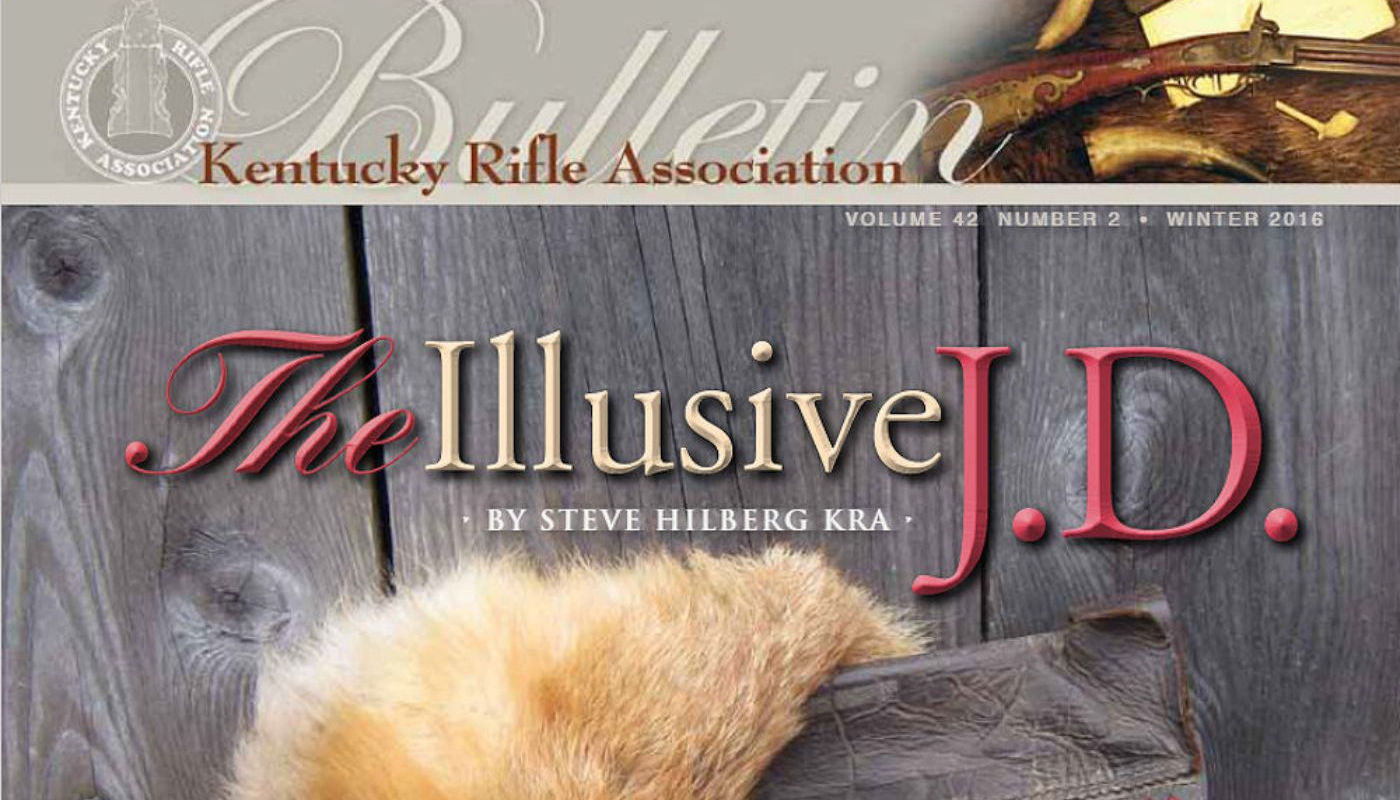
KRA Bulletin | VOLUME 42 | NUMBER 2 | WINTER 2016

This Winter 2016 Bulletin features an in depth attribution study of rifles marked “J.D.,” examining evidence for their association with Jacob Deemer of Pennsylvania’s Lehigh Valley. Through analysis of construction details, engraving styles, and historical documentation, the article explores how Deemer’s work relates to contemporaries and contributes to broader understanding of regional American longrifle traditions.   [read more]
29 03, 2026

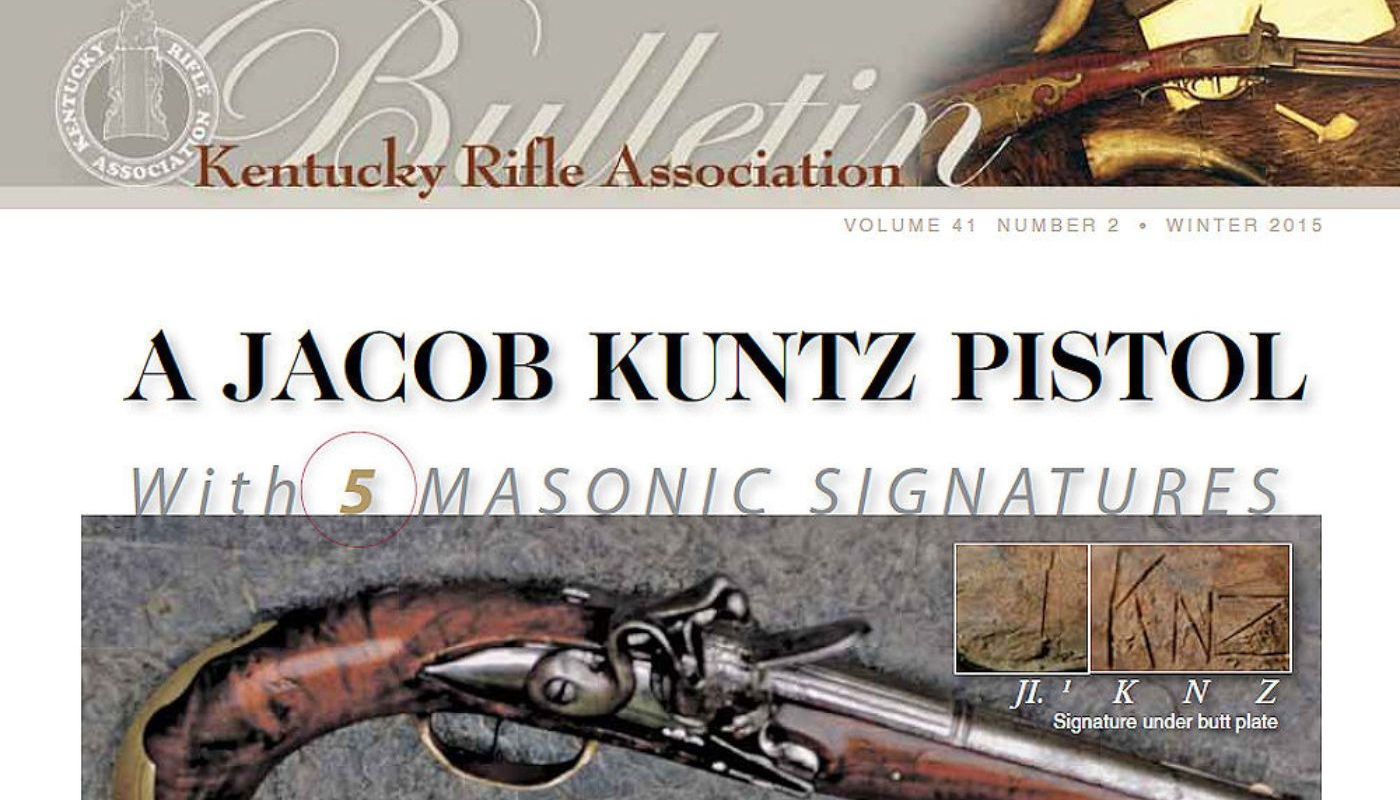
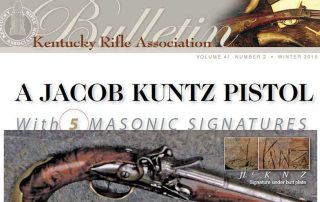
KRA Bulletin | VOLUME 41 | NUMBER 2 | WINTER 2015

This Winter 2015 Bulletin features a detailed symbolic analysis of a Jacob Kuntz pistol bearing five intentional signatures across wood, steel, and brass. Interpreting Masonic, religious, and political imagery, the article examines how Kuntz used firearms as vehicles for identity, belief, and artistic expression within early American gunmaking traditions.   [read more]

29 03, 2026

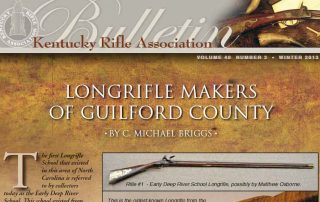
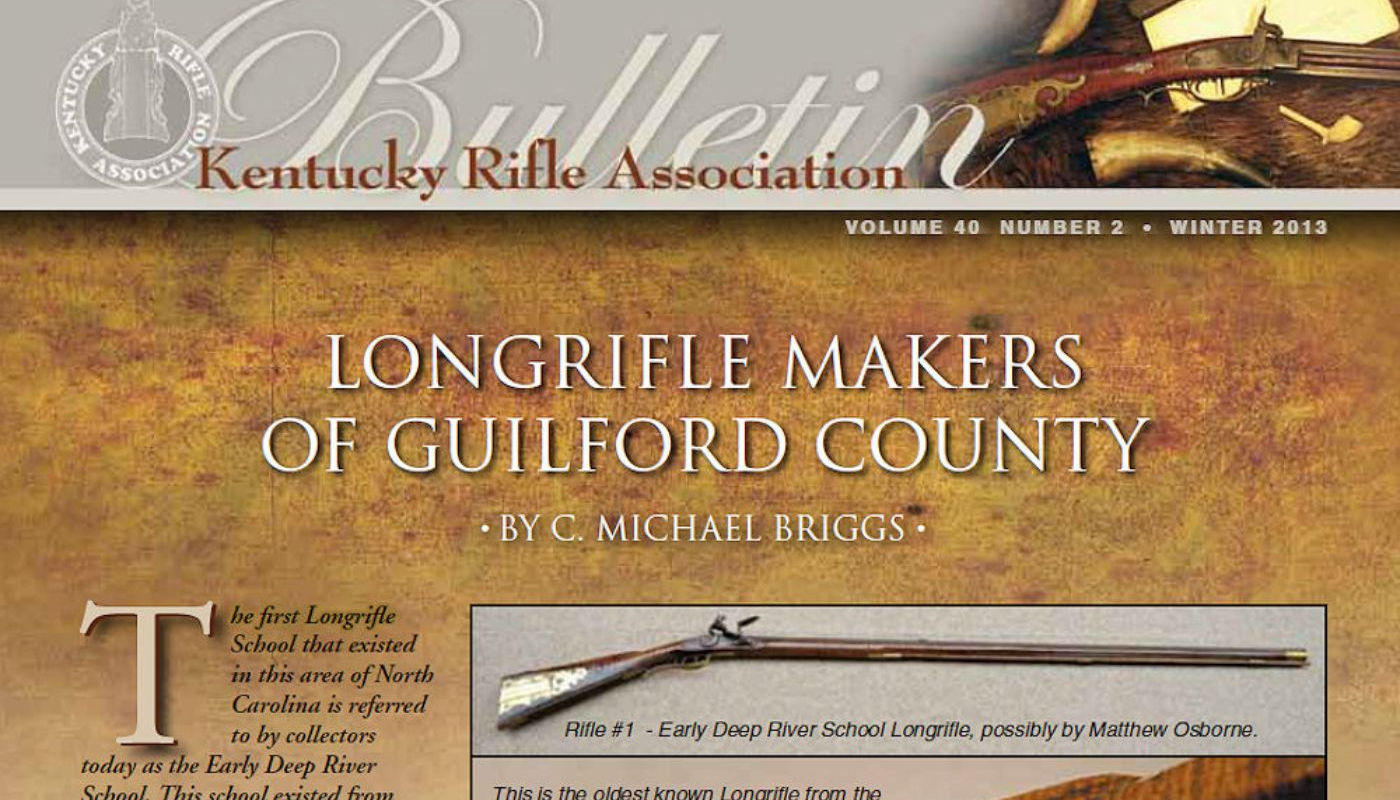
KRA Bulletin | VOLUME 40 | NUMBER 2 | WINTER 2013

This Winter 2013 Bulletin examines the longrifle makers of Guilford County, North Carolina, documenting the evolution of the Early Deep River School into the Jamestown School. Through analysis of signed rifles, apprenticeships, and regional architecture, the issue highlights Guilford County as the most prolific center of longrifle production in the South and a critical contributor to American gunmaking history.   [read more]

29 03, 2026

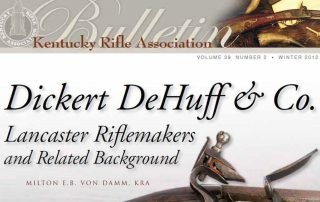
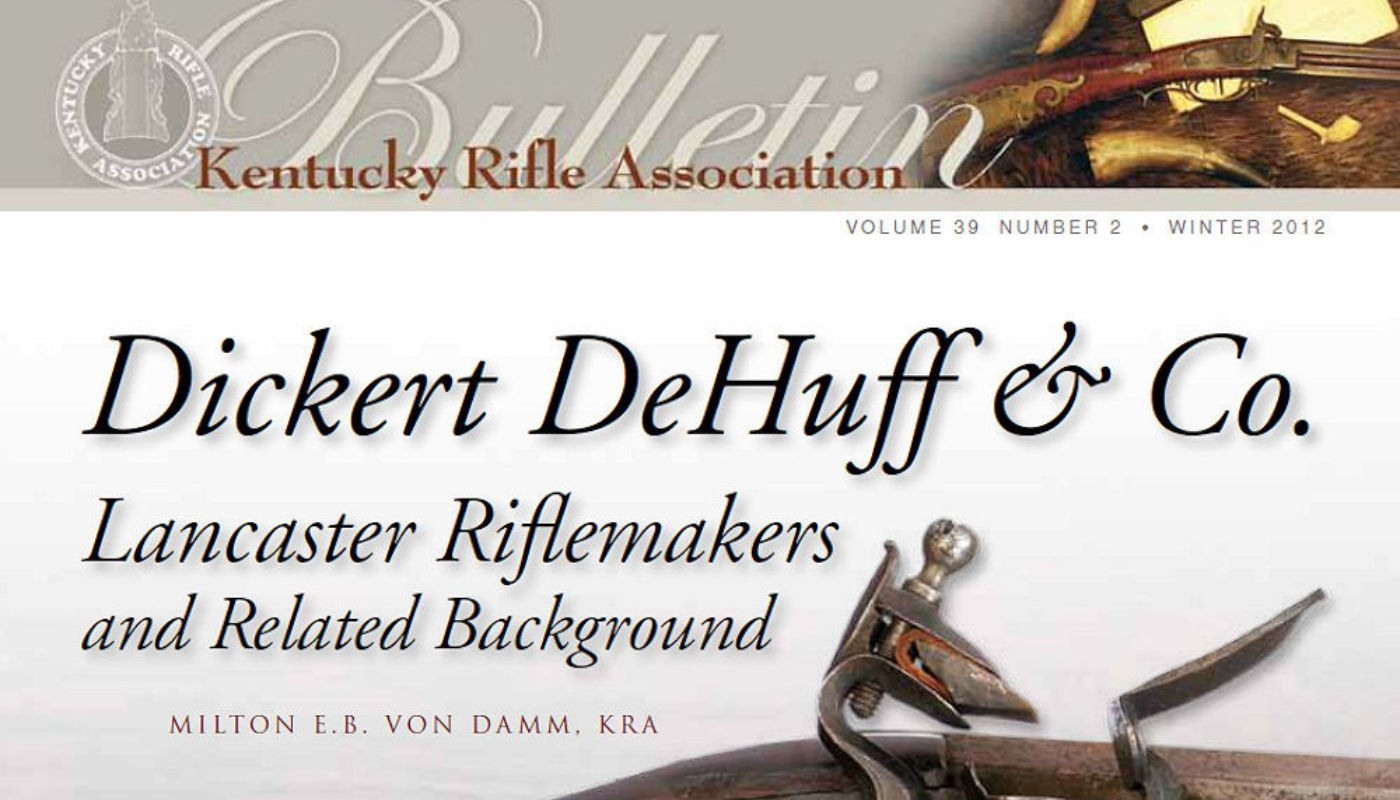
KRA Bulletin | VOLUME 39 | NUMBER 2 | WINTER 2012

This Winter 2012 Bulletin analyzes early U.S. rifle procurement through the work of Dickert, DeHuff & Co., a Lancaster based consortium that supplied arms for both the Army and the Indian Department between 1792 and 1811. Using contracts, production records, and surviving rifles, the article traces how federal purchasing shaped the Lancaster pattern and influenced the transition from custom civilian longrifles to standardized government arms.   [read more]

Go to Top